
When we worry about an aging parent, we usually think about physical safety first. But loneliness is its own serious risk. Seniors who live alone often go days without meaningful conversation, and that isolation is linked to faster decline in both mood and health. You may have noticed it yourself: a parent who seems withdrawn, less engaged, or simply not themselves.
Companion care addresses exactly that. A caregiver visits regularly to talk, share activities, help around the house, and bring genuine connection back into your loved one’s days. For many families, it is the first and easiest step into home care, and the difference it makes is often visible quickly.
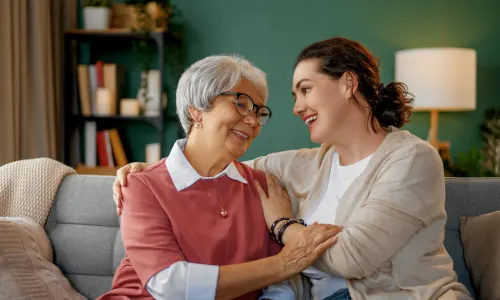
Living alone and experiencing loneliness or isolation
Still independent but in need of light help around the house or with errands
Showing signs of withdrawal, low mood, or disengagement
No longer driving and needing transportation to stay active
In the early stages of memory changes and benefiting from regular contact and routine
Being cared for by family who need help covering the week

Including tidying, dishes, and laundry

With or without your loved one

To appointments, social outings, and activities

to medical visits, religious services, and community events

Hobbies and engagement, from cards and puzzles to walks and music

Regular wellbeing check-ins that give family members peace of mind

We match your loved one with a caregiver whose personality and interests fit, and begin care, often within 24 to 72 hours. Your care coordinator stays involved with ongoing check-ins.
Companion care is non-hands-on support such as conversation, meal preparation, light housekeeping, errands, and transportation. Personal care is hands-on physical assistance with tasks like bathing, dressing, and grooming. Many families combine both in a single care plan.
Yes. Transportation and accompaniment to medical appointments, errands, social outings, and community events are a core part of companion care.
We work hard to provide consistency by matching your loved one with a regular caregiver they connect with. If that caregiver is ever unavailable, we arrange backup coverage so visits continue.
Resistance to bathing is common, especially with dementia or a fear of falling. Our caregivers are trained to approach it patiently, build trust, and use techniques that make bathing feel safe and comfortable rather than stressful.
This is very common. We introduce companion care gently, often framing it as help around the house or a friendly visitor rather than care, and we focus on matching a caregiver your loved one genuinely enjoys spending time with. Trust builds quickly once the right person is in the room.
Often within 24 to 72 hours of your first call. For urgent situations, contact us and we will move as quickly as safely possible.
No one should spend their later years lonely. With regular companion care, your loved one stays engaged, supported, and connected, and you get the reassurance that someone reliable is checking in. Call Great Lakes Care Services today for a free consultation. No pressure, no obligation.
Rated 4.9 on Google

© 2026 Great Lakes Care Services. All Rights Reserved.